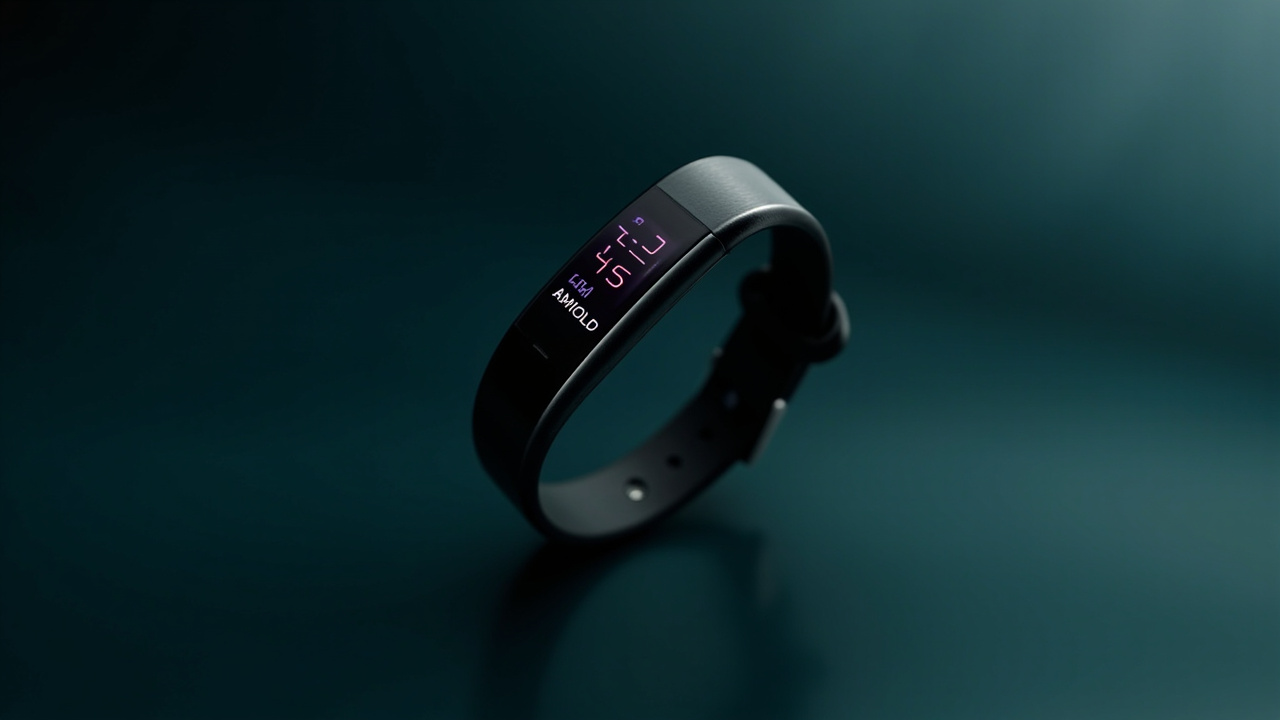
TL;DR: Google posted a close-up teaser on Oct. 9 pointing to an Oct. 12 unveiling for the Fitbit Edge, while leaked specifications describe a 1.34-inch tracker with GPS, heart-rate, SpO2 and ECG sensing and a rumored U.S. price around $180.
What Google actually confirmed
Google published a teaser image showing the side profile of an upcoming fitness tracker on Oct. 9, 2026. The post appeared on X and carried the line “Get an Edge on your health. 10.12.26.”
Reporting on the post in “Google teases Fitbit Edge launch next week” said the date points to Monday, Oct. 12. That report described the image as a close view of the side of the tracker. No retail availability, pricing, or full specification list accompanied the teaser itself.
The teaser followed several weeks of unofficial disclosures about a device called Fitbit Edge. Coverage identified Dealabs and Android Headlines as origins for many of those disclosures. Google had not, in the cited reporting, separately confirmed the leaked specifications by Oct. 9.
A future unveiling, not a completed launch
The Oct. 12 date in the teaser refers to a planned introduction rather than a completed sale or shipment. Reporting published Oct. 9 framed Oct. 12 as the launch date shown in Google’s caption.
An earlier leak summary had stated that a release date remained unknown as of Oct. 6. The Oct. 9 teaser therefore supplied the first company-provided timing signal cited in the available reports. Readers should treat Oct. 12 as a scheduled announcement date disclosed in advance.
Display described in leaks
Leaked descriptions point to a 1.34-inch touchscreen using AMOLED or OLED technology. Multiple reports describe the screen as an always-on display.
The Oct. 6 report titled “New leaks reveal more details about the Fitbit Edge including its price” characterized the panel as a 1.34-inch always-on OLED touchscreen. A separate specifications leak summarized in “Fitbit Edge specs and colors leak along with pricing for the EU and UK” likewise listed a 1.34-inch AMOLED display.
The teaser image was described as showing only a curved edge and side portion of the device. It did not independently establish screen size, resolution, or brightness.
Body, dimensions and weight reported
The specifications leak compiled by GSMArena listed dimensions of 11.58 mm in thickness, 39.22 mm in height, and 25.56 mm in width. The same compilation listed weight at 17.7 grams.
That compilation described an aluminum case. It did not state a retail configuration beyond color and regional pricing. The dimensions and weight figures come from unofficial material, not from Google’s teaser.
Sensors attributed to the device
Leak-based reports enumerate a broad sensor package. Listed components include an accelerometer, a barometer, a gyroscope, and an altimeter.
The Verge’s Oct. 9 summary attributed that sensor list to material shared by Dealabs and Android Headlines. It also mentioned built-in GPS for location tracking without continuous reliance on a phone.
Additional sensing elements cited include optical sensors for heart-rate measurement and for blood oxygen saturation, generally abbreviated SpO2. Reports also cite electrical sensors intended for electrocardiogram capture. The GSMArena compilation added Bluetooth 5.4, an ambient-light sensor, and a step counter to the reported component list.
Health measurements cited in unofficial material
Reported health-tracking functions include step counts, distance, calories burned, heart rate, sleep, and skin temperature. Menstrual-cycle tracking is also listed.
Cardiac-related functions receive particular attention in the leaks. Dealabs reporting, as summarized in multiple outlets, said the tracker may notify wearers about possible atrial fibrillation and irregular heart rhythms.
Other metrics named in the GSMArena compilation include ECG recording, cardiac load, fitness level, and VO2 Max. That same compilation listed SpO2 monitoring alongside heart-rate, skin-temperature, and menstrual-cycle tracking.
Two additional trend categories appear in leak summaries: blood-pressure trends and insulin-resistance trends. A 9to5Google leak summary likewise listed blood pressure and insulin trends among fitness-tracking entries. These remain leak-attributed capabilities, not features confirmed by Google in the teaser.
Exercise modes and automatic detection
Leaks describe more than 40 built-in exercise modes. Automatic activity detection is also mentioned.
Named activities in one Verge leak summary include running, swimming, and golf. The broader set is described only as covering more than 40 different exercises. Reports do not provide a complete mode-by-mode roster.
Altitude measurement using an altimeter is listed among sport-related functions in one detailed specifications translation. That detail aligns with the broader description of the device as oriented toward outdoor and workout use.
Software, coaching and phone compatibility
The device is reported to run Fitbit OS. One Oct. 6 report said it would have access to Google Play.
Personalized coaching supported by Gemini is repeatedly mentioned in leak summaries. Reported coaching elements include real-time coaching, personalized fitness programs, an individualized fitness program, an “Ask Coach” function, and real-time feedback delivered on the wrist.
Connectivity is described as Bluetooth-based linkage to both Android and iOS devices. A specifications compilation set compatibility at Android 11 and higher and iOS 16.4 and higher. Another leak summary noted that iPhone compatibility would distinguish the tracker from the Pixel Watch series, which lacks that cross-platform support cited for the Fitbit Air and the reported Edge.
Reported connected functions include call, SMS, and application notifications. Other functions named in a detailed specifications translation include quick replies, universal multimedia control, alarm, and timer features.
Battery descriptions and charging claims
Battery life is reported as up to seven days without the always-on display in use. With the always-on display enabled, reported endurance falls to up to two days.
The battery is described as a replaceable lithium-ion unit. Multiple reports highlight user-replaceable construction as unusual for this category.
Charging details differ slightly among summaries. One specifications compilation stated that a full charge should take two hours. A separate 9to5Google summary listed an additional fast-charge figure of 24 hours of battery from five minutes of charging. Both figures derive from leak material rather than Google’s Oct. 9 post.
Durability ratings cited
The tracker is reported to carry both 5ATM and IP68 ratings for dust and water resistance. The IP68 designation was specifically highlighted in The Verge’s Oct. 6 leak summary.
A 5ATM rating generally concerns pressure resistance relevant to water exposure, although the cited reports do not elaborate on permitted swimming depths or warranties. The available summaries list swimming among tracked activities but do not publish a Google-issued durability guarantee.
Colors and lineup placement
Four color combinations are repeatedly named: Obsidian and Matte Black, Olive and Satin Pyrite, Canyon and Champagne Gold, and Fog and Polished Silver. The GSMArena compilation said those four options match colors offered for the Pixel Watch 5.
The combinations pair case finishes with sport-strap colors. Examples listed in extended leak coverage include a matte-black aluminum case with a volcanic-black sport strap, a satin-pyrite aluminum case with an olive sport strap, a champagne-gold aluminum case with a peach-rose sport strap, and a polished-silver aluminum case with a fog sport strap.
Pricing leaks place the Edge between an entry-level screen-free tracker and a full smartwatch. Dealabs material cited in The Verge placed European pricing at 179 euros and United Kingdom pricing at 159 pounds. U.S. commentary estimated approximately $180, based on the 99-euro, 85-pound and $99 pricing cited for the screen-free Fitbit Air in the same regions.
The GSMArena summary suggested the Edge could be positioned as a successor to the Fitbit Charge 6, based on pricing. That positioning remains analytical interpretation of leak-derived prices, not a Google product-line statement in the cited teaser reporting.
What is confirmed versus what is still rumor
Confirmed by Oct. 9: Google circulated an official close-up image and supplied the date 10.12.26 with an Edge-related slogan. That is the extent of company-confirmed information reflected in the cited reports.
Attributed to leaks: display size and display technology, GPS, accelerometer, barometer, altimeter, gyroscope, optical heart-rate and SpO2 sensors, electrical ECG sensors, atrial-fibrillation and irregular-rhythm notifications, more than 40 exercise modes, Gemini coaching, Android and iOS compatibility, replaceable battery, seven-day and two-day battery figures, charging times, 5ATM and IP68 ratings, dimensions, weight, colors, and regional prices.
No official specification sheet, preorder procedure, carrier or retail list, subscription requirement, or long-term software-support commitment was included in the teaser reporting available by the archive cutoff. Those elements remain outside the verified record for Oct. 9.
Sources referenced
- Google teases Fitbit Edge launch next week | The Verge (https://www.theverge.com/tech/1008918/google-fitbit-edge-launch-next-week)
- Fitbit Edge specs and colors leak along with pricing for the EU and UK - GSMArena.com news (https://www.gsmarena.com/fitbit_edge_specs_and_colors_leak_along_with_pricing_for_the_eu_and_uk-news-74931.php)