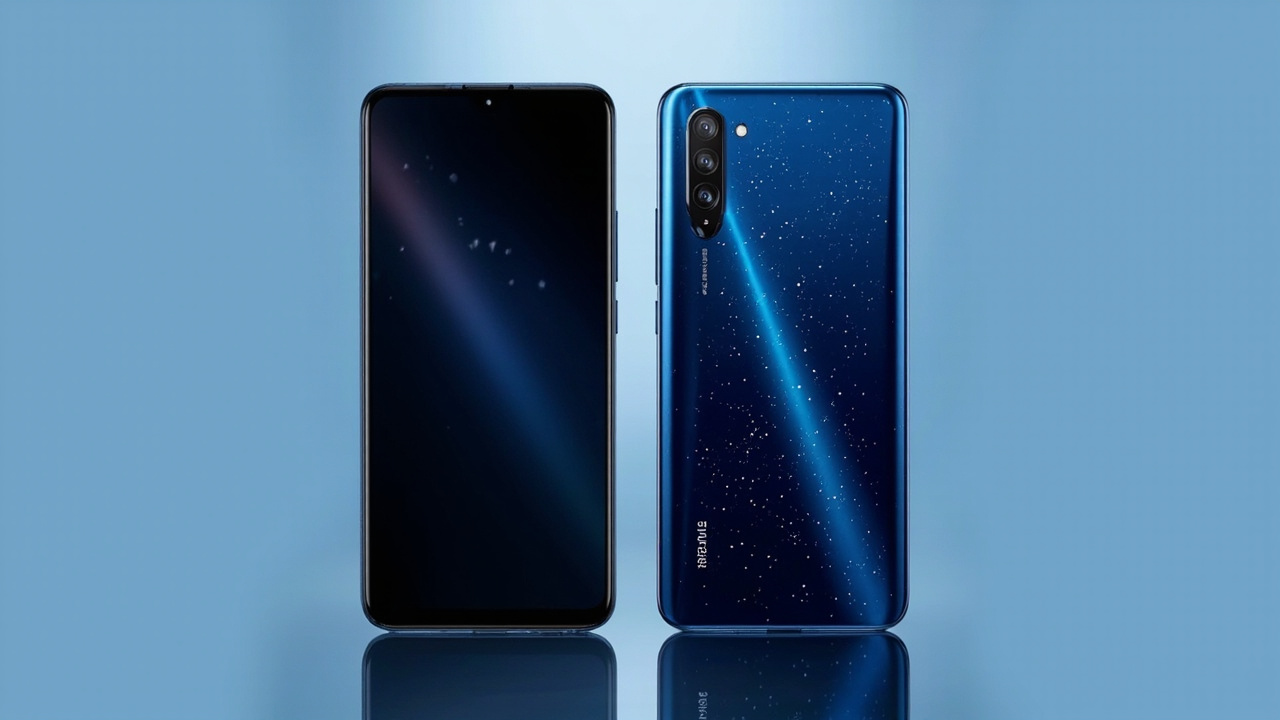
TL;DR: Xiaomi launched the 18 Pro and 18 Pro Max in China on September 23, 2026, with per-app hardware privacy screens, rear displays, dual 200-megapixel cameras, and new Snapdragon chips ahead of a confirmed global release later in 2026.
China launch sets up global release
Xiaomi launched the 18 Pro and 18 Pro Max in China on September 23, 2026, according to The Verge. Engadget reported that the 18 Pro and 18 Pro Max are now available in China ahead of a global release later this year.
The Verge reported that a global launch is confirmed for later this year. Engadget reported that Xiaomi is planning a global release for the 18 Pro Series later this year.
The Verge reported that last year's 17 Pro phones skipped international markets. The Verge reported that an international launch for at least one 18 Pro phone will come later this year.
The Verge reported that the two 18 Pro phones start from ¥5,999, about $900, and join the 18 Fold in Xiaomi's new flagship lineup. Engadget reported that the 18 Pro and 18 Pro Max start at 5,999 yuan ($894) and 6,999 yuan ($1,043), respectively.
The Verge reported that Xiaomi is still waiting for the regular Xiaomi 18 and the 18 Ultra, likely to appear next spring. The Verge reported that it is still waiting to hear if the Fold will ever leave China.
The Verge reported that Xiaomi's launch follows similar announcements this week for the Vivo X500 and Oppo Find X10 flagships. Engadget reported that Xiaomi showed off the devices at the Snapdragon Summit in Hawaii.
Privacy display adds app-level controls
The Verge reported that the front screen is now equipped with hardware-level privacy features much like the Galaxy S26 Ultra's. Engadget reported that Xiaomi equipped them with privacy-focused screens, similar to the tech that Samsung employed in the Galaxy S26 Ultra.
The Verge reported that Xiaomi's implementation looks smarter than Samsung's. Engadget reported that Xiaomi's take on the privacy screen offers more granular settings than Samsung, as things stand.
The Verge reported that when you activate it for a specific app, it will not only turn on when that app is opened, but apply to notifications, floating windows, and split-screen views, without affecting the rest of the display. Engadget reported that if you enable the feature for a specific app, the phones will make it difficult for anyone to see notifications, split-screen views and floating windows for the app from an acute angle.
Engadget gave banking details as an example use for shielding information from prying eyes. The Verge reported that Xiaomi's take on the privacy display can filter notifications by app.
The Verge reported that location-based triggers allow you to set it to turn on when you reach work, or off when you come home, with smart triggers for when it detects locations like airports or elevators. Engadget reported that there are location-based triggers for the privacy mode.
The Verge reported that it can also use the selfie camera to detect prying eyes and suggest activating the privacy mode. Engadget reported that the phones can also detect potential snoops via the front-facing camera and suggest that you enable the feature.
Engadget reported that you can switch it on manually using a side button. The Verge reported that the approach combines the privacy front screen with returning rear screens.
How Samsung comparison breaks down
Android Authority reported that Samsung was the first Android brand to incorporate a Privacy Display, starting with its flagship Galaxy S26 Ultra earlier this year. Android Authority reported that the HUAWEI Mate XT 2 and the Xiaomi 18 Pro series introduced their own spins on the Privacy Display.
Android Authority reported that leaker and display enthusiast Ice Universe says Samsung leads in Privacy Display tech by using four-way baffles to block viewing from the top, bottom, and sides, whereas HUAWEI and Xiaomi only block horizontal views. Android Authority reported that Ice Universe said on X that Samsung's hardware implementation remains the private solution currently on the market, outperforming rival solutions from both HUAWEI and Xiaomi.
Android Authority reported that HUAWEI and Xiaomi's implementations seem to target only the horizontal axis, with left- and right-side blocking by baffles, which does stop side-lookers on public transit. Android Authority reported that Samsung's implementation appears to take a more comprehensive approach by limiting visibility along the vertical axis as well through adoption of four-way baffles.
Android Authority reported that Samsung's aggressive hardware implementation causes notable off-axis brightness loss, reduced image clarity, and even eye strain and nausea for some users. Android Authority reported that Ice Universe notes that the S26 Ultra suffers from noticeable viewing-angle degradation when the feature is actively engaged.
Android Authority reported that the display loses off-axis brightness and image clarity, an inevitable and inherent trade-off of its Privacy Display tech. Android Authority reported that some users have also experienced eye strain, nausea, and other symptoms when using the Galaxy S26 Ultra.
Android Authority reported that the Xiaomi 18 Pro series also offers more software features for its Privacy Display, such as voice-command activation, location triggers, and front-camera shoulder-surfer detection. Android Authority reported that Xiaomi balances privacy with convenience by adding software features such as voice commands, location triggers, and shoulder-surfer detection.
Android Authority reported that Samsung beats others with aggressive tech while Xiaomi and HUAWEI choose a middle ground that balances privacy with convenience. Android Authority noted that it has not independently verified how the three Privacy Display features differ.
Android Authority reported that HUAWEI's phone is too new and expensive for widespread reports to emerge, while Xiaomi's phone had not launched at the time of that September 22 report. Android Authority noted that all of these are Ice Universe's claims.
Front screens and rear displays
The Verge reported that the two 18 Pro phones look similar to the 17 Pros, with similar compact displays built around the rear cameras. The Verge reported that both 18 Pro phones feature rear displays, just like last year's 17 Pro models.
The Verge reported that the rear compact displays are capable of displaying notifications, taking selfies, playing simple games, and more. Engadget reported that the phones retain the rear displays from the 17 Pro devices.
Engadget reported that these smaller screens can show notifications and you can generate mini apps for them using Xiaomi's Xiao AI assistant. The Verge reported that little about the actual design has changed year-on-year.
The Verge reported that the small display still wraps around the cameras, like on many flip phones. The Verge reported that this year's hero color is what Xiaomi calls "starry river blue."
Engadget reported that the 18 Pro and 18 Pro Max are available in black, white, pink and blue, as well as a special-edition red with some transparency on the rear. The Verge reported that the Pro Max is bigger than the Pro, but otherwise the specs are pretty similar.
The Verge reported that the two phones differ in size, with a 6.4-inch display on the Pro and 6.9 inches for the Pro Max. Engadget reported that the 18 Pro display measures 6.4 inches and the 18 Pro Max has a 6.9-inch screen.
Engadget reported that the main displays have LTPO AMOLED panels with a variable refresh rate of 1-120Hz, 2K resolution and 4,000 nits of peak brightness.
Chips, batteries and charging
The Verge reported that both phones use both of Qualcomm's new Snapdragon 8 Elite Gen 6 chips. Engadget reported that they are among the first handsets to use Qualcomm's latest mobile chipset, the Snapdragon 8 Elite Gen 6, with the Xiaomi 18 Pro Max running on the higher-end version.
The Verge reported that the other difference between the two is the chipset, with the Snapdragon 8 Gen 6 Elite in the Pro and the Extreme version in the Pro Max, though differences between the two chips are slight.
The Verge reported that battery varies accordingly: 7,000mAh or 8,500mAh respectively, using a high 32 percent silicon content. Engadget reported that the batteries are a little larger than last time, with a 7,000mAh cell in the 18 Pro and an 8,500mAh one in the 18 Pro Max.
Engadget reported that the phones support 100W wired and 50W wireless charging, as well as 27W reverse wireless charging. Engadget reported that the base versions have 12GB of RAM and 256GB of storage.
Cameras lead with dual 200MP sensors
The Verge reported that cameras are led by a 200-megapixel main camera using a large 1/1.28-inch-type sensor. The Verge identified the sensors as the Light Fusion 960 in the Pro, and 960L in the Pro Max, though they seem similar.
Engadget reported that the phones have the same rear camera array, with a 200MP, 23mm main lens, a 200MP, 75mm telephoto and 50MP ultrawide. The Verge reported that a 200-megapixel, 75mm telephoto joins it, the same on both phones.
The Verge reported that the telephoto uses Samsung's 1/1.56-inch HP5 sensor and has a minimum focus distance of 12cm. The Verge reported that a 50-megapixel ultrawide completes the trio.
Sources referenced
- Xiaomi’s new 18 Pro phones improve on Samsung’s privacy display | The Verge (https://www.theverge.com/tech/999253/xiaomi-18-pro-max-privacy-display-launch-china)
- Xiaomi's 18 Pro series phones have the latest Snapdragon chip and a Samsung-like privacy screen | Engadget (https://www.engadget.com/2267684/xiaomis-18-pro-series-phones-have-the-latest-snapdragon-chip-and-a-samsung-like-privacy-screen/)