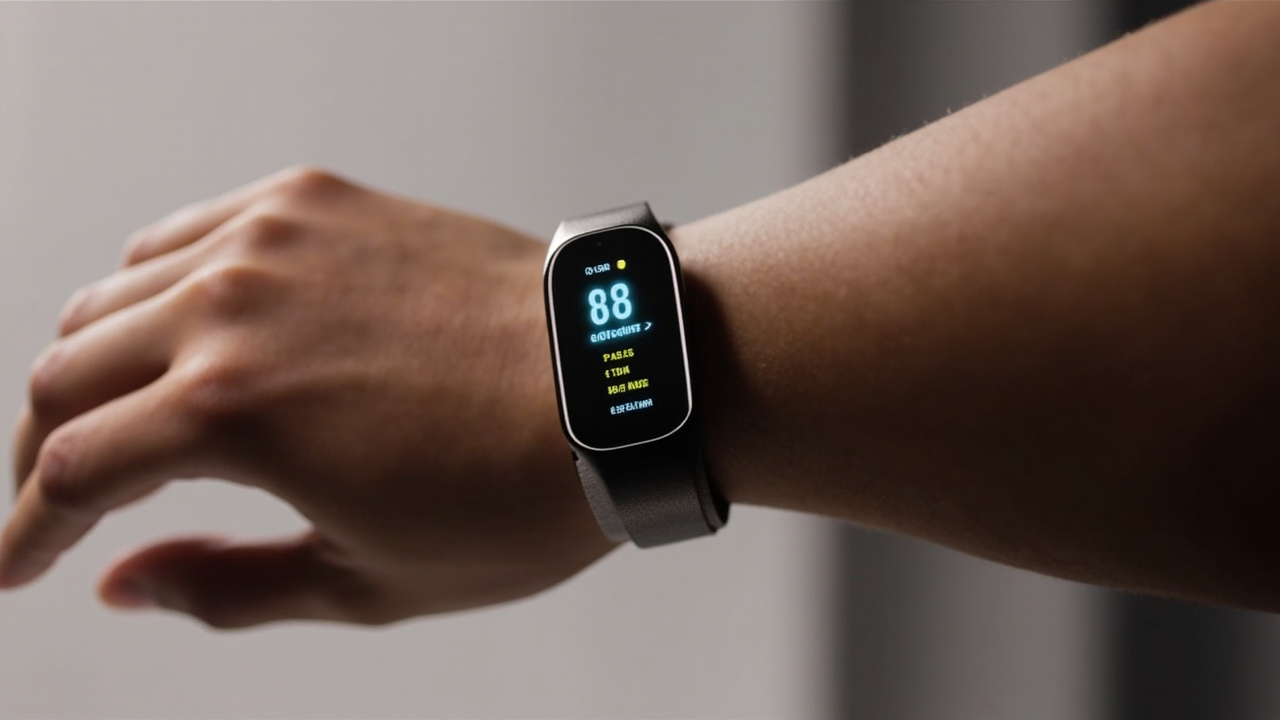
TL;DR: Google positions $179.99 tracker between $100 band and $350 watch
TL;DR: Google opened pre-orders Oct. 12, 2026, for the $179.99 Fitbit Edge, a screened fitness tracker that ships Oct. 27 and sits between the Fitbit Air and Pixel Watch 5.
Google has created a middle tier in its 2026 wearable family. The new Fitbit Edge offers a display and richer sensors than the screenless Fitbit Air, but stops short of a full Pixel Watch 5 smartwatch experience, according to Ars Technica. The company opened pre-orders Oct. 12, with general availability scheduled for Oct. 27.
The Edge costs $179.99 with an included silicone Active Band, while a Stephen Curry Special Edition costs $219.99, according to 9to5Google. That places it well above the $100 Fitbit Air and well below the Pixel Watch 5, which starts at $350, according to Ars Technica. Google describes the device as its smartest fitness tracker to date and as an option for people who want more than a band but not a full smartwatch, according to the Google Keyword blog.
The launch is Google's second Fitbit tracker of 2026, following the Fitbit Air introduced in May, according to Android Authority. It is effectively a successor to the Charge 6 from 2023, which launched at $160, but with styling closer to the Pixel Watch line, according to Ars Technica.
A slim aluminum design with larger OLED screen
The Edge uses an elongated, pill-shaped case that recalls earlier Charge models, but with rounded contours and finishes linked to the Pixel Watch aesthetic, according to Ars Technica. The housing is made from durable recycled aluminum and measures 11.5 mm thin, according to the Google Keyword blog. Google says the case is 45% lighter than the Apple Watch Series 12 and shaped to follow the natural curve of the wrist for day-and-night wear.
The centerpiece is a 1.34-inch OLED touch display, according to Ars Technica. Google calls it a Hybrid OLED display and says it is the largest and brightest tracker screen it has made, with 46% more viewing area than previous trackers, according to the Google Keyword blog. Protection comes from Corning Gorilla Glass 3, according to Android Authority. Google says the screen remains readable in direct sunlight and supports glanceable tiles and expressive clock faces.
Water and dust protection is rated IP68 and 5 ATM, making the device suitable for outdoor workouts and pool use, according to Android Authority. Physical control is limited to one tactile side button on the right edge, according to 9to5Google. That single button splits the difference between the Pixel Watch, which has two buttons, and the Air, which has none, according to Ars Technica. Google says the button can wake the device and start or pause workouts, including use while swimming.
Color options tie the aluminum case to a matching Active Band. The lineup includes Matte Black Aluminum with an Obsidian band, Polished Silver Aluminum with a Fog band, Satin Pyrite Aluminum with an Olive band, and Champagne Gold with a Canyon band, according to 9to5Google. The colors match the Pixel 11 Pro palette, according to Android Authority.
Week-long battery with fast top-ups, shorter with always-on
Battery life is a central selling point. Google promises up to seven days on a single charge when the always-on display is disabled, according to Android Authority. A full recharge takes about 90 minutes, while a five-minute charge supplies enough power for a day of use, according to 9to5Google.
Enabling always-on display sharply reduces endurance to about two days, according to Ars Technica. That figure is only slightly longer than Pixel Watch 5 endurance. The tracker can store seven days of full health data or 30 days of basic data when away from a phone, according to Ars Technica.
The Edge uses the same magnetic USB-C charging puck as the Fitbit Air, so owners of both devices can share chargers, according to 9to5Google. Connectivity to a phone is over Bluetooth 5.4 to the Google Health app, previously known as Fitbit, according to Ars Technica.
Google also describes the Edge as its first repairable fitness tracker because the battery is replaceable, according to Ars Technica. That does not mean user-replaceable. Battery swaps will be handled through service options, and Google does not recommend opening the tracker independently.
Fitness tracking adds onboard GPS and 50-plus modes
For workouts, the Exercise app can track more than 50 exercise modes initiated on the wrist, with real-time views for metrics such as pace targets, heart-rate zones, splits and Pilates metrics, according to the Google Keyword blog. The device can broadcast real-time heart-rate data to compatible gym equipment, including Peloton bikes, for indoor sessions, according to Android Authority.
A major step beyond the Air is built-in precision GPS, which allows route tracking without carrying a phone, according to Ars Technica. Google says accuracy is up to 40% better than previous generations thanks to an upgraded chipset and nano-molded aluminum housing, according to the Google Keyword blog. The GPS is not the dual-band, dual-frequency system used in the Pixel Watch 5, so it is expected to be less precise than that flagship, according to Ars Technica.
An integrated altimeter measures elevation change for hill sprints, outdoor runs and stair workouts, according to the Google Keyword blog. Other motion sensors include an accelerometer, gyroscope and ambient light sensor, according to 9to5Google.
Automatic activity detection has been expanded significantly. The Edge can automatically recognize and categorize up to 100 workouts, from outdoor runs and rides to daily walks, even if the wearer forgets to press start, according to the Google Keyword blog. That compares with 10 detectable activities before, according to the Google Keyword blog covering Health app updates. Google says contextual reasoning considers routine, history, manual edits and, with permission, location to improve detection accuracy and reduce missed workouts.
Health sensors feed Coach and Guardian features
Under the display, the Edge carries an optical heart-rate sensor, multipurpose electrical sensors for ECG, red and infrared sensors for blood oxygen, and a far-field skin-temperature sensor, according to 9to5Google. Those support resting heart rate, heart-rate variability, ECG, SpO2 and skin-temperature tracking, according to Android Authority.
Google groups newer background insights under Health Guardian features, which quietly monitor shifts including blood-pressure trends, insulin-resistance trends and high or low heart-rate alerts, according to the Google Keyword blog. Guardian features are rolling out to Fitbit Air and Fitbit Edge for users with a Google Health Premium subscription later in October, with monthly reports for users who meet wear requirements, according to Google's Health update post.
The tracker works with the Gemini-powered Health Coach chatbot in the Google Health app, according to Ars Technica. The device includes three months of Google Health Premium, which is required for AI features, according to Ars Technica. After that, Premium costs $10 per month and is also included with Google AI Pro, though users can disable the Coach if they prefer.
The Edge works with Android phones and iPhones through the Google Health app, according to 9to5Google. Google says multiple wearables — Air, Edge and Pixel Watch 5 — can operate on the same account with seamless switching, collecting data from whichever device is worn without manual re-pairing, according to 9to5Google.
What it does not do: no Wear OS, calls, or payments
Despite visual similarities to the Pixel Watch, the Edge does not run Wear OS. It runs a Fitbit operating system with a tile-based interface inspired by the Pixel Watch 5, according to 9to5Google. Users swipe left or right for tiles covering quick-start workouts, focus metrics, sleep, heart data, cycle health, weather, timers, alarms and music controls, according to 9to5Google.
Google ships a collection of fitness-focused faces and experiences, but users cannot download additional apps, according to Ars Technica. Notifications from a paired phone can be mirrored on the wrist, but there is no microphone or speaker, so replies are limited to predefined quick replies, according to Ars Technica. Quick replies to messages are limited to Android because of iOS platform limits, according to 9to5Google.
There is no support for Gemini interactions on the device itself, and music control works through a dedicated tile for any app on the paired phone rather than on-device playback, according to Android Authority. There is also no NFC chip, so Google Wallet tap-to-pay is unavailable, according to Ars Technica. Google Maps navigation is available, along with call and message notifications, media controls, timers and alarms.
Price, bands, colors, and Oct. 27 ship date
Pre-orders opened Oct. 12 and shipments begin Oct. 27, according to Android Authority. The standard $179.99 package includes the basic silicone Active Band, according to Ars Technica. A Stephen Curry Special Edition with a custom band is priced at $219.99, according to 9to5Google.
The Edge uses a new snap-in band mechanism with a custom connector. It is a different size from the Pixel Watch plug and is not compatible with older Fitbit or Pixel Watch bands, according to Ars Technica. Google plans four add-on styles at launch, according to 9to5Google: Active Sport in ultra-soft silicone with cutouts for $39.99, Performance Loop in stretch fabric for $49.99, Magnet Band with embedded magnets for $59.99, and Metal Links Band for $149.99.
That pricing makes extra straps a significant add-on. The Metal Links Band costs nearly as much as the tracker itself, a point highlighted as a costly upsell, according to Ars Technica. Google is also introducing Metal Mesh bands for the Fitbit Air in Champagne Gold and Polished Silver for $69.99, sold separately or bundled with an Obsidian Air for $149.99 at Target and the Google Store, according to Google's Health update post.
Sources referenced
- Google announces the Fitbit Edge, a middle ground between Pixel Watch 5 and Fitbit Air - Ars Technica (https://arstechnica.com/gadgets/2026/10/google-announces-the-fitbit-edge-a-middle-ground-between-pixel-watch-5-and-fitbit-air/)
- Google Fitbit Edge: Our all-new smartest fitness tracker ever (https://blog.google/products-and-platforms/devices/fitbit/google-fitbit-edge/)