TL;DR: Meta used Connect 2026 to pair its Muse agent with a broad new glasses lineup.
Meta held its annual Connect showcase on Wednesday, September 23, 2026, in Menlo Park, California, and centered the program on its Muse personal agent alongside several glasses devices, according to AP News and company materials. The company said Muse would gain voice, avatar and glasses functions while its hardware line would expand across audio-only, camera-equipped and virtual-reality forms. Prices disclosed at the event ranged from $249 to $1,299, with availability dates spanning that day through spring 2027.
Connect set the theme: one agent across many devices
Chief Executive Mark Zuckerberg presented the announcements at the Menlo Park gathering, according to AP News. Meta framed the direction as personal agents reachable in many places, plus devices that connect users to those agents during the day.
According to Meta, Muse had been introduced a few weeks before Connect. The company described strong early interest and then outlined next additions intended to make the agent reachable by voice, visually and on glasses.
According to The Verge, the event's featured hardware was Meta VR Glasses, a glasses-style virtual-reality wearable linked to a pocket processor unit. The same program also included screen-free smart glasses, refreshed camera glasses and expanded display-glasses distribution.
Muse adds voice, avatars and wider access
Meta said a voice mode would support extended conversation while work continues in the background. Users will also be able to describe a preferred voice, including pace and accent characteristics, according to Meta.
Meta Superintelligence Labs is introducing Muse Realtime Avatar, technology that turns realtime voice interaction into expressive on-screen avatars, according to Meta. The company also said Muse would come to its AI glasses in the coming months for hands-free operation by speaking the agent's name.
On glasses, Muse will be able to use the wearer's view as context, according to Meta. The examples included a product on a shelf, a notice on a wall and a lengthy school-supply list, with Muse able to take action rather than requiring the user to describe the scene verbally.
Muse will also receive its own email address. According to Meta, the address can be used by the agent to complete tasks and can serve as another channel for communication with the user.
Computer use is now available with Muse for Mac, according to Meta. With permission, the Mac version can operate applications on the computer and continue through queued tasks when the user steps away. The company said current access points also include the Muse app, WhatsApp, the web and a Mac desktop version that can handle messages, locate older files and assist with work tasks.
Shopping, travel and work connectors grow
Connectors let Muse act across outside services, according to Meta. The company said it started with dozens of partners and access to the full Shopify catalog.
For shopping, Meta said it is adding Walmart, Best Buy, American Eagle Outfitters, DICK'S Sporting Goods, Fanatics, Gap, Michael Kors, Sephora, Ulta and Wayfair. Shop Pay and PayPal were named for payments, according to Meta.
Expedia is coming soon for travel planning, while Instacart was named for grocery replenishment, according to Meta. For work, the company listed Notion, Granola, GitHub and Box, adding that additional partners were planned.
According to The Verge, Meta said it is working on bringing Muse to smart glasses. Planned glasses uses described there included workout guidance, meal logging, appointment booking and help buying items in view. Meta also described video-call features with customizable appearance options for Muse.
A pocket companion called Muse Charm
Meta also introduced Muse Charm, a pocket-sized device for speaking and interacting with Muse, according to Meta. The company said it uses a realtime voice model and fits in a pocket.
Meta said it would share more about Muse Charm later in the year. No price or ship date for that device was included in the Connect recap materials available by September 24.
Camera-free Ray-Ban Meta Audio starts the glasses expansion
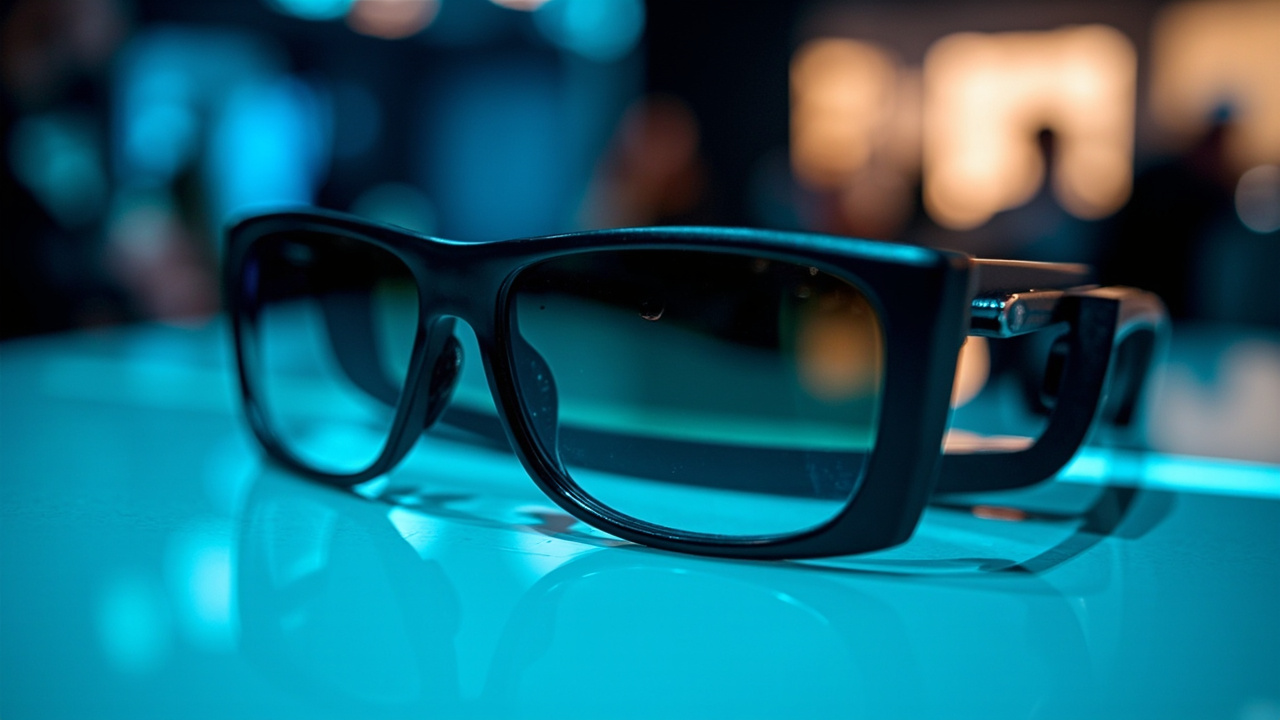
Meta said its first audio glasses, Ray-Ban Meta Audio, combine open-ear sound with AI access and omit cameras. According to The Verge, the absence of picture and video capture distinguishes the model from other Meta glasses that have raised privacy questions.
The frames weigh 43 grams, which Meta described as its lightest and slimmest AI glasses. Battery life is rated at up to 12 hours on a charge, plus up to 48 additional hours with the included charging case, according to Meta and The Verge.
Two styles are offered: Clubmaster, with a retro-inspired shape, and Burbank, a rectangular style. The line has 23 color-and-lens combinations and supports a wide range of optical prescriptions, according to Meta.
Ray-Ban Meta Audio ships October 13 and can be pre-ordered starting at $349, according to Meta and The Verge. Meta positioned the model for extended daily wear, including music, podcasts, calls and assistant conversation.
Ray-Ban Meta Gen 3 refreshes the camera line
Ray-Ban Meta Gen 3 is the next version of the company's best-selling AI glasses, according to Meta. It is available starting at $449, according to Meta and The Verge.
Battery life extends to up to nine hours, one hour more than Gen 2, according to The Verge. Meta said it offers the longest battery life among Ray-Ban Meta models and uses a slimmer, more comfortable design.
A customizable action button provides quicker access to Meta AI and other functions, according to Meta and The Verge. A six-microphone array is intended to reduce background noise by more than 90% for calls and voice commands, according to both accounts.
The Gen 3 line offers 27 color-and-lens combinations, according to The Verge. New frame additions are Zena, described as a bold cat-eye design, and Aviator, described as a widely recognized silhouette, joining Wayfarer options, according to Meta.
Imaging includes a 12-megapixel camera and 3K Ultra HD video, with a dynamic-photo option for selecting a preferred frame, according to Meta. A built-in LED indicator is designed to signal nearby people during photo or video capture. Meta also said the broader AI-glasses collection would later become the first consumer devices able to capture and play video in Dolby Atmos spatial sound.
To mark 90 years of the Aviator, Meta is offering an Aviator Connect Limited Edition in Milky Beige with brown Transitions lenses, starting at $579 for a limited period through selected Ray-Ban, Meta.com and Meta Lab channels, according to Meta.
Lower-cost Meta Glasses and wider style choices
Meta said its in-house Meta Glasses collection, developed with EssilorLuxottica, is adding Capri and Nova frame shapes. A Mix & Match program in the United States allows buyers to combine frame, lens and case colors, according to Meta and The Verge.
A lower-cost Meta Adventurer starts at $249 with black frames and gray lenses and launches October 23, according to The Verge. Meta also listed a limited-edition Meta Fury available at Meta Lab locations at launch.
Style collaborations include a new Ivory colorway of Meta Glasses by Kylie Jenner, starting at $399, and a new collection designed with LISA, according to Meta. The LISA details include star motifs on the case and temple tips and case charms inspired by her pets.
By the end of the year, Meta said it will offer more than 100 glasses options across Ray-Ban, Oakley and Meta Glasses. That total covers audio models, camera models and style variations.
Display glasses reach new countries
The Meta Ray-Ban Display, introduced a year earlier, is expanding beyond its initial markets, according to The Verge. Sales began in the United Kingdom and Canada on the Connect date, with France, Italy and Germany scheduled for October 13. Online ordering is also being introduced for those regions and the United States.
Meta is adding an Explore app for browsing experiences built for the Display glasses, according to The Verge. Other additions include photo editing, an improved calendar and mirrored phone notifications.
A hologram function planned for VR Glasses will also come to Meta Ray-Ban Display in Early Access on WhatsApp for U.S. users later in the fall, according to The Verge. The feature creates a photorealistic digital version of the wearer's face for calls.
VR Glasses move VR into a 100-gram form
Meta VR Glasses weigh about 100 grams and contain no straps or heavy front-mounted hardware, according to Meta and The Verge. Meta said they are five times lighter than Meta Quest 3 because processing, battery and storage sit in a separate puck.
The puck attaches by an optical tether and clips to a pocket or bag, according to Meta. It contains a Qualcomm Snapdragon Reality Elite processor, 128GB of storage and 12GB of RAM, according to The Verge. The glasses use magnesium-alloy construction for rigidity and heat management.
The display is a 5K Infinite Display based on micro-OLED panels, with 2412 x 2288 pixels per eye and refresh rates up to 120Hz, according to The Verge. Meta cited 37 pixels per degree, compact pancake lenses, Dolby Vision color and Dolby Atmos audio built into the frames. The puck battery provides up to three hours of high-resolution media playback and supports 45W fast charging.
Operation does not require controllers. According to Meta, users can speak to the glasses or use eye movement and hand gestures to play video, open applications, adjust a workspace or search.
The device is scheduled to launch in spring 2027 at $1,299, according to Meta and The Verge. It will support the full Meta Quest application and game catalog, plus Xbox Cloud Gaming, and can connect to Mac or Windows laptops as a virtual external display with an optional virtual keyboard and touchpad.
For entertainment, Meta said the device is the first IMAX Enhanced certified VR device and will present selected films in an expanded IMAX aspect ratio for home viewing. Partnerships named included Disney for 3D titles and immersive environments, alongside Prime Video, YouTube, DIRECTV, AMC+, Crunchyroll, Plex, Tubi, Peacock, HBO Max and Paramount+, according to Meta. Sports coverage will include more than 100 immersive live events annually after launch through partners including MLB, NBC Sports, TNT Sports and UFC.
What remains scheduled rather than on sale
Several Connect items were presented as future releases rather than immediate purchases. Muse on glasses was described as arriving in the coming months, Expedia support as coming soon, Muse Charm details as due later in the year, and VR Glasses as launching in spring 2027, according to Meta and The Verge.
The near-term retail dates were Gen 3 availability immediately, Ray-Ban Meta Audio on October 13, Display expansion to France, Italy and Germany on October 13, and the $249 Adventurer on October 23. Market expansion for Meta Glasses began in Singapore, South Korea and Mexico, with Brazil and the United Arab Emirates described as coming soon, according to Meta.
Sources referenced
- Everything We Announced at Meta Connect 2026 | Meta (https://www.meta.com/blog/meta-connect-2026-everything-we-announced/)
- Meta Connect 2026: The 7 biggest announcements | The Verge (https://www.theverge.com/tech/999593/meta-connect-2026-everything-announced)